
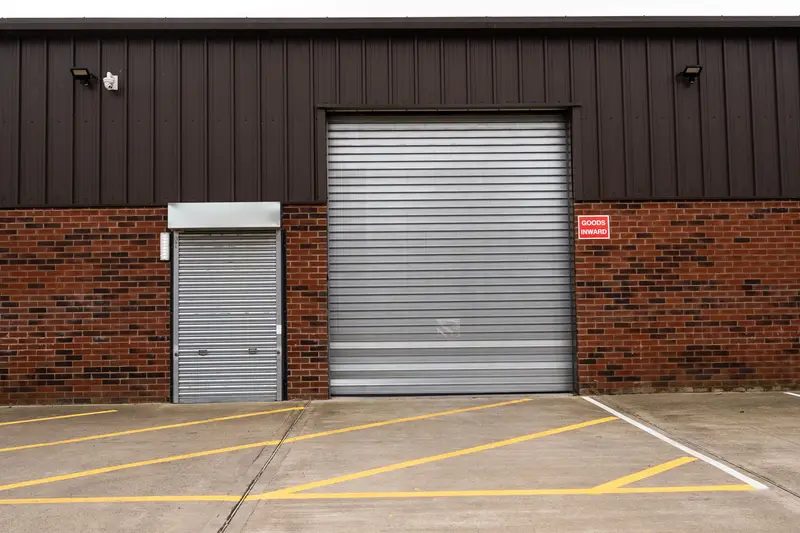
Commercial property development in Nottingham means turning land or an existing building into income-producing business space, such as offices, warehouses, storage, trade units or shops, with planning consent from the local planning authority. Owners usually take one of three routes: sell the site to a developer, build and let the space, or build and sell the finished units.
If you own land or a tired building in or around Nottingham, the right route depends on your budget, how much risk you are comfortable with and how quickly you want a return. This guide explains each option and where marketing fits in.
What counts as commercial property development?
Development covers more than building from scratch. In practice, most commercial schemes fall into one of these groups:
- New build on bare land, such as a terrace of small industrial units or a trade counter scheme
- Redevelopment, where an outdated building is cleared and replaced
- Refurbishment, where an existing office, shop or warehouse is upgraded to attract better tenants
- Change of use, where a building moves from one use to another, for example a shop becoming a clinic or studio
Each option needs a different level of planning work, funding and time. A refurbishment can be finished in months. A new build scheme can take several years from first idea to the last unit being let.
Do you need planning permission to develop commercial property in Nottingham?
In most cases, yes. New buildings, extensions and many changes of use need planning permission. Greater Nottingham is covered by several councils, including Nottingham City, Rushcliffe, Gedling and Broxtowe, so the first job is to check which authority covers your site and read its local plan.
Some changes are simpler. Class E groups shops, offices, cafes, gyms, clinics and light industrial uses together, so moving between those uses often does not need full planning permission. Some changes may also fall under permitted development rights. Always confirm the position with the council or a planning consultant before you commit money, because the rules have conditions and exceptions.
Should you sell the site or develop it yourself?
This is the biggest decision you will make.
Selling the site
Selling to a developer is the lowest-risk route. You receive a capital sum and the buyer takes on planning, construction and letting risk. Sites with planning permission already granted usually attract more buyers and stronger offers than sites without it.
Building and letting
Building and letting gives you a long-term rental income and keeps the asset in your hands. It also means funding construction, managing contractors and carrying the cost of empty units until tenants sign. Demand for small, well-located industrial and trade units tends to be steady, which is why many owners choose this route for that type of scheme.
Building and selling
Selling finished units, either to owner occupiers or investors, releases capital sooner. Let units with tenants in place can be sold as investments, which some buyers prefer to vacant space.
How do you find tenants or buyers for a development?
Start marketing early. Many developers advertise units before construction finishes, using plans and computer generated images, so occupiers can reserve space and the scheme fills faster.
Exposure is the key factor. Most businesses and investors search online, and Rightmove reports that 72% of its commercial audience search only on Rightmove. Rightmove does not accept listings from private owners, so you need an agent to reach that audience. You can market development land or a finished scheme with Commercial List through fixed fee online packages from £135 plus VAT, or through our full agency service at 1% plus VAT of the sale price or 10% of the letting price achieved, plus marketing expenses.
To see how we present land, development property and industrial units, take a look at our available properties.
What should you have ready before you go to market?
Buyers and tenants make business decisions, so give them facts up front:
- Site plan and floor areas in square feet and square metres
- Planning status, with any consent reference
- Services available on site, such as three-phase power
- Asking price or rent and the lease terms on offer
- A valid EPC for any completed building, which is a legal requirement when selling or letting commercial property unless an exemption applies
Ready to talk about your site?
Whether you are thinking about selling land, refurbishing a building or letting a new scheme, getting the marketing plan right from day one saves months of empty space. Commercial List has a Nottingham office at Wellington House, Wellington Circus, and covers the whole of the UK. Get in touch with our team or call 0115 784 3525 to talk through your options.
Frequently asked questions
Can I market a commercial development before it is built?
Yes. Many developers advertise units off plan using drawings and computer generated images so occupiers can reserve space early. Be clear in the advert about expected completion and the specification.
Does land with planning permission sell for more?
Land with planning permission usually attracts more buyers because the main approval risk has been removed. That wider interest tends to support a stronger price.
Can Commercial List advertise development land on Rightmove?
Yes. Our Silver and Gold online packages and our full agency service all include advertising on Rightmove Commercial, along with Zoopla, Gumtree, our website and our social channels.